Barbie Cute: A Retro Font for Modern Branding
In the crowded landscape of digital design, standing out often requires more than just a bold color palette or a sleek layout. It demands a voice—a distinct typographic personality that speaks directly to the audience's sense of memory and style. Enter Barbie Cute, a typeface that masterfully bridges the gap between nostalgic charm and contemporary utility. This is not merely a font for children's parties; it is a sophisticated tool for designers, entrepreneurs, and creators who understand the power of retro aesthetics in today's market. By combining playful curves with structural integrity, Barbie Cute offers a unique solution for projects requiring a touch of old-world elegance without sacrificing modern readability.
The Essence of Retro Charm in Typography
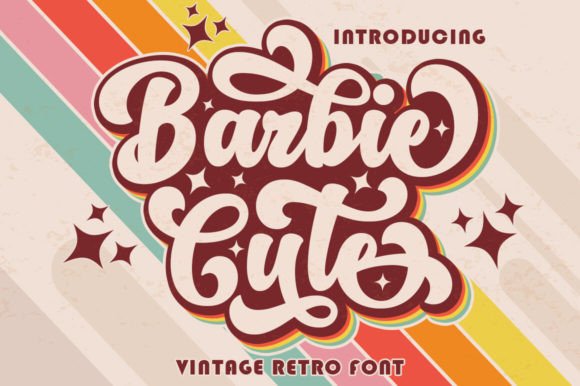
Typography has always been a vessel for emotion. While sans-serif fonts convey efficiency and minimalism, serif fonts suggest tradition and authority. However, display fonts like Barbie Cute occupy a special niche: they evoke feeling through character. The font draws inspiration from mid-century signage, vintage toy packaging, and classic comic book lettering, yet it refines these influences into a cohesive, usable set of glyphs. When you select this typeface, you are choosing to communicate warmth, approachability, and a sense of whimsical history.
What sets Barbie Cute apart is its ability to feel both timeless and fresh. In an era where flat design and brutalism dominate many tech interfaces, there is a growing hunger for textures and styles that feel human-made. This font answers that call. Its rounded edges and deliberate swashes mimic the hand-lettered signs of a bygone era, instantly transporting viewers to a time when craftsmanship was visible in every detail. For brands looking to soften their image or add a layer of storytelling to their visual identity, this typeface provides an immediate emotional hook.
Key Characteristics and Technical Strengths
Beyond its aesthetic appeal, Barbie Cute is built with practical considerations in mind. One of its most significant technical advantages is its use of PUA (Private Use Area) encoding. For the uninitiated, this means that the font includes a wide array of special characters, ligatures, and decorative swashes that are easily accessible within standard design software. You do not need complex workarounds or obscure keyboard shortcuts to access the full potential of the font. Every glyph brims with character, allowing for intricate customization right out of the box.
The font family is designed with versatility as a core principle. While it possesses a distinct "cute" quality, it avoids being overly childish or difficult to read at larger sizes. The stroke weight is consistent enough to maintain legibility on posters and billboards, yet delicate enough to look elegant on smaller applications like jewelry tags or stationery. This balance makes it a robust choice for professionals who need a display font that can handle diverse environments without losing its integrity.
Practical Applications Across Industries
The utility of Barbie Cute extends far beyond simple decoration. Its adaptability makes it a powerful asset across various sectors, from independent fashion labels to established marketing agencies. Here is how different professionals can leverage this typeface to enhance their work:
- Fashion and Merchandise: For clothing brands, particularly those focusing on streetwear or vintage-inspired collections, this font is ideal for logo locks and tee graphics. It adds a pop of personality to apparel, turning a simple shirt into a statement piece that resonates with Gen Z and Millennial consumers alike.
- Packaging Design: Small business owners selling artisanal goods, such as soaps, candles, or confectioneries, can use Barbie Cute to create labels that feel handcrafted. The font suggests care and attention to detail, elevating the perceived value of the product inside.
- Event Branding: Wedding planners and event coordinators often struggle to find fonts that are celebratory but not cliché. This typeface works beautifully for invitations, programs, and signage, offering a romantic yet modern vibe that fits everything from rustic barn weddings to chic rooftop parties.
- Digital Content and Social Media: Bloggers and content creators can use the font for Instagram story overlays, YouTube thumbnails, and blog headers. In the fast-scrolling world of social media, a distinctive typeface helps stop the scroll and capture attention immediately.
- Educational Materials: Teachers and publishers creating materials for younger audiences can utilize the font to make learning materials more engaging. Its friendly appearance reduces intimidation, making text feel inviting rather than academic.
Strategic Implementation for Maximum Impact
While Barbie Cute is versatile, it is most effective when used strategically. As a display font, it should generally be reserved for headlines, logos, and short phrases rather than long blocks of body text. Pairing it with a clean, neutral sans-serif font for the main content creates a harmonious contrast that guides the reader's eye. For example, use Barbie Cute for a bold magazine cover title and a simple Helvetica or Arial for the article text. This combination ensures that the retro charm grabs attention while maintaining high readability for the actual content.
Color pairing also plays a crucial role in maximizing the font's potential. Because the letters have such distinct shapes, they stand out well against high-contrast backgrounds. Think deep navy blues, rich burgundies, or warm creams—colors that complement the vintage aesthetic. Avoid using the font in low-contrast combinations where the swashes might get lost. Remember, the goal is to let the character of the typeface shine without overwhelming the viewer.
Enhancing Brand Identity and Engagement
In the realm of branding, consistency is key, but differentiation is king. Using a generic font might ensure safety, but it rarely ensures memorability. Barbie Cute allows businesses to inject a specific personality into their brand narrative. Whether you are launching a new line of retro gaming merchandise or rebranding a boutique bakery, this font signals to your audience that you value creativity and heritage.
Furthermore, the psychological impact of nostalgia cannot be overstated. Consumers often form stronger emotional connections with brands that remind them of positive past experiences. By incorporating a font that evokes the 1950s or 60s, you tap into a collective sense of longing for simpler times. This emotional resonance can translate into higher engagement rates, increased brand loyalty, and ultimately, better conversion metrics. It transforms a transactional interaction into an experiential one.
Considerations for Selection and Usage
Before integrating Barbie Cute into your workflow, consider the context of your project. Does the tone of your brand align with the playful yet elegant nature of the font? If your industry is strictly corporate or legal, this typeface might feel out of place. However, for creative industries, lifestyle brands, and consumer-facing products, it is an excellent fit.
Additionally, evaluate the technical requirements of your output. Since the font relies on PUA encoding for its special characters, ensure that your design team and collaborators have the necessary software versions installed to render all glyphs correctly. Testing the font across different devices and platforms before finalizing a design is a prudent step to avoid rendering issues.
Ultimately, Barbie Cute is more than just a collection of letters; it is a design philosophy that celebrates the intersection of the past and present. It empowers creators to build worlds that feel familiar yet exciting, offering a tangible way to express individuality in a homogenized digital space. Whether you are crafting a single emblem or designing a comprehensive brand identity, this font provides the one-of-a-kind touch that truly sets your creation apart.