Cheeky Smile: The Friendly Handwritten Font for Authentic Design
In a digital landscape often dominated by sleek, geometric sans-serifs and rigid corporate typefaces, there is a growing hunger for something that feels human. We crave connection, warmth, and the imperfection that suggests a real person was behind the creation. This is where Cheeky Smile steps in. It is not just another font file; it is a design tool that brings a cool, friendly, and informal handwritten aesthetic to your projects. Whether you are a teacher trying to make a lesson plan more inviting or a business owner looking to soften the edge of a marketing campaign, understanding how to leverage this authentic look can transform your visual communication.
The Essence of a Handwritten Aesthetic
Before diving into the specific mechanics of the font, it is helpful to understand why handwritten styles like Cheeky Smile resonate so deeply with audiences. In psychology, we know that people trust things that feel personal. A typed message is efficient, but a handwritten note feels intimate. When applied to digital media, a font that mimics handwriting bridges the gap between the cold screen and the warm interaction of a physical conversation.
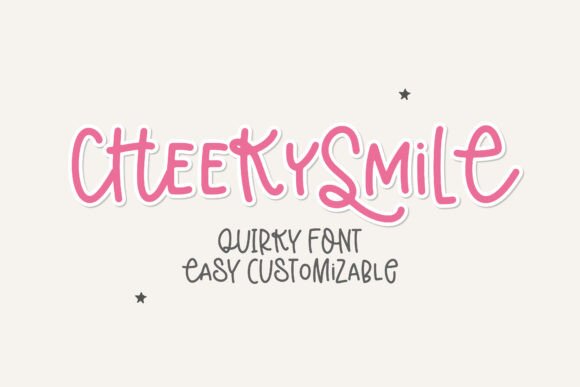
Cheeky Smile captures this essence perfectly. It is designed to look as if it were written quickly with a marker on a chalkboard or a piece of paper. The strokes vary in thickness, the letters lean slightly, and the spacing feels organic rather than mathematically perfect. This "authentic look and feel" is crucial for adding a personal and realistic touch to your designs. It signals to the viewer that the content is approachable, unpretentious, and crafted with care.
Why Informal Matters in Professional Settings
Many professionals hesitate to use informal fonts, fearing they might appear unprofessional. However, the modern definition of professionalism has shifted. Today, brands that want to build loyalty often need to show their human side. Cheeky Smile offers a way to maintain readability while injecting personality. It is particularly effective when you want to convey enthusiasm, creativity, or a sense of community. For instance, a tech startup using a stiff, formal font might seem distant, whereas incorporating Cheeky Smile for headlines or quotes can instantly make the brand feel more relatable and accessible.
Core Features and Design Characteristics
What exactly makes Cheeky Smile stand out from other script or handwriting fonts? The answer lies in its balance of legibility and character. Many handwritten fonts sacrifice readability for style, becoming difficult to decipher after a few words. Cheeky Smile, however, is engineered to be used for all chalkboard quotes or teaching material without causing eye strain.
- Natural Flow: The letterforms connect in a way that mimics the natural motion of a hand holding a pen or chalk. There are no robotic loops or forced curves.
- Versatile Weight: While it has a distinct personality, the weight of the strokes is consistent enough to remain clear even at smaller sizes or on busy backgrounds.
- Friendly Tone: As the name suggests, the font has a "cheeky" quality—it smiles back at the reader. The slight upward tilt of certain characters contributes to an optimistic and upbeat vibe.
- Contextual Flexibility: It works well in short bursts, such as headlines, pull quotes, or labels, making it ideal for highlighting key information without overwhelming the layout.
These features make it a robust choice for creators who need a font that looks spontaneous but performs reliably. The "cool" factor mentioned in its description isn't just about being trendy; it's about having a timeless, casual elegance that fits into various design palettes, from rustic coffee shops to modern educational apps.
Practical Applications: Where Cheeky Shine
The versatility of Cheeky Smile allows it to shine in a variety of real-world scenarios. Its primary strength lies in environments where engagement and clarity are paramount. Let's explore some specific use cases where this font excels.
Educational Materials and Teaching Resources
For educators, the classroom environment needs to be stimulating yet organized. Using standard Times New Roman for worksheets can sometimes feel dry and intimidating to young students. Cheeky Smile changes this dynamic. When used for teaching material, it can make instructions feel like a friendly reminder from a teacher rather than a strict command. Imagine a worksheet where the header reads "Let's Explore!" in this font; it immediately lowers anxiety and invites participation. It is also perfect for creating flashcards, bulletin board displays, and personalized certificates.
Chalkboard Menus and Retail Signage
The font is explicitly designed for all chalkboard quotes, making it a staple for cafes, restaurants, and boutique stores. The texture and stroke width mimic the graininess of chalk on slate. When designing a menu, using Cheeky Smile for daily specials or featured items draws the eye and suggests freshness and artisanal quality. It tells the customer, "This was made today, by hand, just for you." This psychological cue can significantly influence purchasing decisions in retail settings.
Social Media Graphics and Branding
In the fast-paced world of social media, stopping the scroll requires visual interest. Static text often gets ignored, but text that looks handwritten stands out against polished images. Creators and business owners can use Cheeky Smile for Instagram story highlights, quote graphics, or promotional banners. It adds a layer of authenticity that aligns with the "behind-the-scenes" culture popular on platforms like TikTok and Instagram. It helps brands feel less like corporations and more like communities.
Evaluating Suitability: Strengths and Considerations
While Cheeky Smile is a powerful tool, it is not a one-size-fits-all solution. Like any design element, it must be evaluated based on the specific needs of your project. Understanding its limitations is just as important as appreciating its strengths.
When to Use It
You should consider using this font when your goal is to evoke emotion, warmth, or informality. It is ideal for:
- Short-form copy like headlines, slogans, and captions.
- Projects targeting younger demographics or families.
- Brands that prioritize creativity, lifestyle, or education.
- Visuals that require a "hand-crafted" or "artisanal" aesthetic.
When to Exercise Caution
Despite its charm, Cheeky Smile may not be suitable for every context. Because it is an informal handwritten font, it can clash with serious, legal, or highly technical content. For example, using it for a financial report, a medical disclaimer, or a complex user manual could undermine the credibility of the information. Legibility can also become an issue if the font size is too small or if the background contrast is poor. Always test your design at the intended scale to ensure the "personal touch" doesn't turn into a readability nightmare.
Pairing with Other Typefaces
To maximize the effectiveness of Cheeky Smile, pairing it with a clean, neutral sans-serif font is often the best strategy. The contrast between the playful, irregular lines of the handwritten font and the structured stability of a sans-serif creates a balanced composition. The handwritten font grabs attention, while the secondary font ensures the body text remains easy to read. This combination allows you to have your cake and eat it too—maintaining a professional structure while injecting personality where it matters most.
Conclusion: Adding a Personal Touch to Your Work
In a world increasingly driven by automation and AI-generated content, the desire for human connection is stronger than ever. Cheeky Smile offers a simple yet profound way to meet that desire. By providing an authentic look and feel, it allows designers, teachers, and business owners to infuse their work with a personal and realistic touch that resonates on an emotional level.
Whether you are writing a chalkboard quote for your morning coffee shop, designing a fun worksheet for your students, or crafting a social media post that feels like a friend talking to a friend, this font serves as a bridge. It reminds us that behind every screen and every design, there is a human being with a voice worth hearing. By choosing tools that reflect our humanity, we create experiences that are not only seen but felt. So, the next time you need to add a bit of warmth to your project, remember that a little bit of cheeky charm can go a long way.