Dog Love: Bringing Playful Character to Modern Design
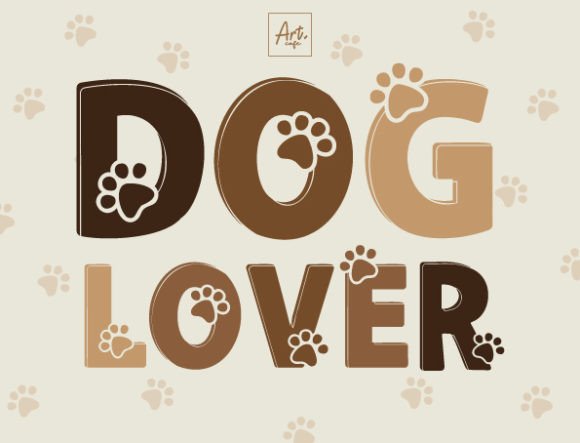
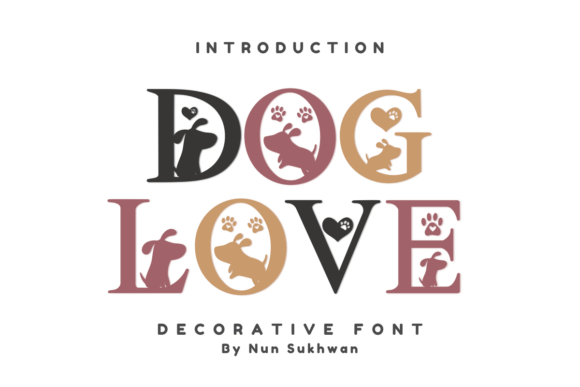
In a digital landscape often dominated by sleek minimalism and sterile corporate aesthetics, there is a growing hunger for personality. Designers, marketers, and creative professionals are increasingly seeking ways to inject warmth and human connection into their visual communications. This shift has brought decorative typefaces back into the spotlight, with Dog Love emerging as a standout example of this trend. As a fun and cute decorative font that features adorable little dogs and paw prints, it offers more than just text; it offers an immediate emotional hook. It is perfect for adding a playful touch to your projects, transforming standard messages into engaging experiences that resonate with audiences on a personal level.
The relevance of a typeface like Dog Love extends far beyond simple decoration. In an era where attention spans are shortening and content saturation is high, standing out requires more than just good copy or high-resolution images. It requires a distinct voice. Typography serves as the tone of voice in visual design. While sans-serif fonts convey efficiency and modernity, and serif fonts suggest tradition and authority, decorative fonts like Dog Love communicate joy, approachability, and affection. For businesses and creators targeting pet owners, families, or lifestyle markets, this specific emotional resonance can be the difference between a scroll-past and a click-through.
The Evolution of Decorative Typography in Professional Workflows
Historically, decorative fonts were often relegated to the sidelines of professional design, viewed as amateurish or suitable only for children's books and greeting cards. However, the evolution of digital media and the rise of social commerce have fundamentally changed these perceptions. Today, the barrier between "professional" and "personal" has blurred. Brands are no longer monolithic entities; they are curated personalities. Consumers expect brands to show character, humor, and empathy.
This cultural shift has paved the way for fonts like Dog Love to enter serious design workflows. We are seeing a move away from the rigid grid systems of the early 2000s toward more organic, expressive layouts. The integration of illustrative elements directly into letterforms—such as the little dogs and paw prints found in Dog Love—aligns perfectly with the current preference for storytelling visuals. Instead of using a stock photo of a dog alongside generic text, a designer can now embed the narrative directly into the headline. This efficiency is crucial for modern creators who need to produce high-quality assets quickly without sacrificing uniqueness.
Furthermore, the technology behind web and mobile display has improved significantly. Variable fonts and better rendering engines mean that intricate details in decorative typefaces remain legible even on smaller screens. This technical advancement allows designers to use fonts like Dog Love in responsive web design, mobile app interfaces, and social media stories without worrying about the loss of detail. The font is no longer just for print; it is a versatile tool for the multi-channel digital ecosystem.
Integrating Playfulness into Brand Identity
For entrepreneurs and business owners, particularly those in the pet industry, wellness sector, or family-oriented services, incorporating a font like Dog Love can be a strategic branding decision. It signals that the brand understands its audience's values. When a customer sees a logo or a marketing banner utilizing this style, they immediately associate the brand with care, fun, and companionship. This psychological association is powerful. It suggests that the company is not just selling a product but is part of a community that loves what they love.
However, integrating such a distinct typeface requires a balanced approach. The key lies in moderation and context. Using Dog Love for every piece of communication can dilute its impact and potentially hinder readability if overused in long-form content. The most effective application involves using it as an accent—headlines, call-to-action buttons, logos, or social media overlays. By pairing it with a clean, neutral body font, designers create a visual hierarchy that guides the eye while maintaining accessibility. This combination ensures that the playful element grabs attention without compromising the clarity of the message.
Practical Applications for Creators and Marketers
The versatility of Dog Love makes it a valuable asset for a wide range of creative projects. For bloggers and content creators focusing on lifestyle, travel, or parenting niches, this font can elevate the aesthetic of blog headers, Pinterest pins, and Instagram captions. It adds a layer of curation that feels handmade and thoughtful, distinguishing the content from the sea of automated posts generated by AI tools. In a market where authenticity is currency, a font that feels crafted and warm helps build trust with the audience.
Freelancers and graphic designers can also leverage Dog Love to expand their service offerings. Many small businesses struggle to find designs that feel both professional and personable. Offering packages that include custom typography treatments featuring unique fonts allows freelancers to provide higher value. For instance, a local dog walker or a boutique pet bakery could benefit immensely from a rebranding project that utilizes this specific aesthetic. The font becomes a central pillar of their visual identity, instantly communicating their niche to potential customers.
Moreover, educators and event planners can find practical uses for this typeface in invitations, certificates, and workshop materials. Events centered around community building, charity fundraisers for animal shelters, or educational programs for children all benefit from a visual language that is inviting and non-threatening. The presence of paw prints and canine illustrations within the text breaks down formal barriers, making the event feel accessible and fun before the attendee even arrives.
Navigating Trends and User Expectations
As we look at changing habits in consumer behavior, there is a clear trend toward "comfort culture." People are gravitating toward things that make them feel safe, happy, and connected. The popularity of pet-related content online is a testament to this. Millions of users engage daily with videos and images of animals because they provide a dopamine hit and a sense of relief from stress. Fonts like Dog Love tap directly into this emotional wellspring.
Marketers must recognize that user expectations are shifting from purely transactional interactions to relational ones. A website that looks cold and overly corporate may fail to connect with a demographic that values experience and emotion. By adopting a playful typographic approach, businesses can align themselves with these lifestyle shifts. It shows an awareness of the current cultural moment—a desire for lightness and joy in an often chaotic world.
It is important, however, to remain realistic about the longevity of trends. While decorative fonts are currently popular, the core principle is timelessness: connecting with people through shared emotions. The specific imagery of dogs and paw prints may evolve, but the need for warmth in design will persist. Therefore, the recommendation for professionals is not to chase every fleeting trend but to understand the underlying emotional needs of their audience. If your goal is to evoke happiness and playfulness, a font like Dog Love is a timeless choice for that specific intent.
Strategic Recommendations for Implementation
To maximize the impact of Dog Love in your projects, consider the following practical steps:
- Define Your Context: Ensure the font matches the subject matter. It is ideal for pet products, children's events, gift shops, and casual lifestyle blogs. Avoid using it for legal documents, financial reports, or serious medical communications where clarity and gravity are paramount.
- Pair with Neutrals: To maintain readability, pair Dog Love with a simple sans-serif or slab-serif font for body text. This contrast ensures that the decorative elements pop without overwhelming the reader.
- Use Color Strategically: Since the font features detailed illustrations, ensure there is sufficient contrast between the text color and the background. Soft pastels or warm earth tones often complement the friendly nature of the font well.
- Leverage White Space: Decorative fonts require room to breathe. Avoid cramming too much text into a single line. Let the little dogs and paw prints stand out by giving them adequate spacing.
- Test Across Devices: Always preview how the font renders on mobile devices. Ensure that the intricate details remain visible on small screens, adjusting size as necessary to maintain legibility.
In conclusion, the rise of fonts like Dog Love reflects a broader movement in design toward authenticity and emotional connection. It is not merely a stylistic choice but a strategic one that acknowledges the human desire for playfulness and companionship. For adults navigating the complex worlds of business, creativity, and digital communication, embracing such tools allows for a more nuanced and effective expression of ideas. Whether you are a seasoned designer or a hobbyist starting a new project, understanding the power of typographic personality can transform your work from functional to memorable. By thoughtfully integrating elements like the adorable little dogs and paw prints found in this font, you create spaces where audiences feel welcomed, understood, and delighted.