Evaluating the Jumped Handwritten Typeface
The digital design landscape is saturated with thousands of typefaces, ranging from rigid geometric sans-serifs to ornate display scripts. Within this vast ecosystem, Jumped emerges as a distinct option for designers seeking a specific aesthetic: a fun and quirky handwritten font. Unlike standard script fonts that aim for legibility or elegance, Jumped prioritizes character and personality. For individuals researching fonts for Instagram graphics, DIY craft projects, or branding that requires a human touch, understanding the practical applications and limitations of this typeface is essential before integration.
Defining the Aesthetic of Jumped
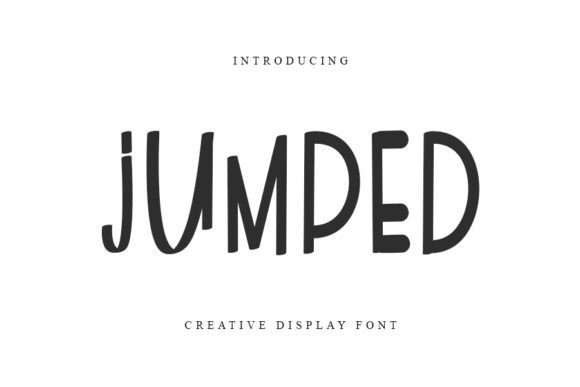
At its core, Jumped is designed to mimic the irregularities of natural handwriting. It features uneven baseline alignment, varying stroke widths, and playful ligatures that suggest movement and spontaneity. The "quirky" nature of the font often manifests in unexpected flourishes, tilted letters, or exaggerated ascenders and descenders. This visual style distinguishes it from more formal calligraphy or clean brush scripts.
When evaluating Jumped, it is important to recognize that it functions primarily as a display font. Its design intent is not to convey large blocks of text but rather to capture attention through short phrases, headlines, or decorative elements. The font's structure relies on the viewer's ability to decode the stylized characters, which can be an engaging experience when used correctly but may become frustrating if overused.
Primary Use Cases and Strategic Fit
Designers and content creators often seek out Jumped for specific scenarios where a personal, approachable tone is required. Understanding these contexts helps determine whether the font aligns with project goals.
- Social Media Graphics: Platforms like Instagram thrive on visual variety and personality. Jumped is frequently selected for story overlays, quote cards, and promotional banners where the goal is to stand out in a crowded feed. The informal nature of the font resonates well with audiences expecting authentic, user-generated content styles.
- DIY and Craft Projects: For those creating physical goods such as greeting cards, stickers, t-shirts, or scrapbook layouts, Jumped offers a "handmade" feel without the labor of actual hand-lettering. It bridges the gap between professional typesetting and artisanal aesthetics.
- Kids' Content and Playful Branding: Brands targeting children or families often utilize quirky typography to signal fun and energy. Jumped fits naturally into educational materials, party invitations, or product packaging for toys and snacks.
Benefits and Advantages
The primary advantage of using Jumped is its ability to inject immediate character into a design. In a world of minimalist and corporate-standardized typography, a font that looks like it was written by a person can create a sense of intimacy and connection. This human element is particularly valuable for brands trying to appear relatable or for personal projects aiming to express individuality.
Furthermore, Jumped serves as a time-saving tool. Achieving a consistent yet imperfect handwritten look manually is difficult and time-consuming. By digitizing this style, the font allows users to maintain the aesthetic benefits of hand-lettering while retaining the editability and scalability of vector-based text. This efficiency is crucial for content creators who need to produce high volumes of graphics quickly without sacrificing the "cute" factor associated with handwritten styles.
Tradeoffs and Limitations
While Jumped offers distinct stylistic benefits, it comes with significant tradeoffs that must be weighed during the selection process. The most critical limitation is readability. Because the font emphasizes quirkiness over clarity, long sentences or paragraphs set in Jumped can become difficult to decipher. The irregular spacing and complex letterforms increase cognitive load for the reader, making it unsuitable for body copy, legal disclaimers, or instructional text.
Additionally, the versatility of Jumped is limited. Its strong personality means it can easily clash with other design elements if not carefully paired. Using it alongside another display font or a highly decorative serif can result in visual chaos. Designers must exercise restraint, typically reserving Jumped for headlines or single words to prevent the design from feeling cluttered or unprofessional.
Another consideration is the potential for dated appeal. Trend-driven fonts often cycle in and out of popularity. While currently aligned with the "cute" and "quirky" trends popular on social media, there is no guarantee that the aesthetic will remain relevant in five years. For long-term branding assets, relying heavily on a trend-specific font carries the risk of requiring a redesign sooner than expected.
When to Consider Alternatives
There are several situations where selecting an alternative to Jumped would be a more strategic decision. If the project requires conveying serious information, establishing authority, or maintaining a corporate identity, a cleaner sans-serif or a traditional serif font is preferable. Similarly, if accessibility is a primary concern—such as designing for users with visual impairments or dyslexia—the irregular forms of Jumped may pose barriers to comprehension.
Alternatives should also be considered for multilingual projects. Many quirky handwritten fonts, including Jumped, are often limited to the basic Latin alphabet. If the content needs to support accented characters, Cyrillic, or Asian scripts, a more comprehensive typeface family would be necessary to ensure consistency across all languages.
Decision-Making Insights
To determine if Jumped is the right choice for a specific project, designers should apply a few practical filters. First, assess the hierarchy of the design. If the text is intended to be read quickly and accurately, Jumped is likely not the best fit. Second, consider the brand voice. Does the message require warmth and playfulness, or does it demand precision and trust? Finally, test the font in context. Mock up the design with the actual content intended; if the text feels strained or hard to read at small sizes, it is a clear indicator to pivot to a more legible alternative.
In conclusion, Jumped is a specialized tool within the typographic toolkit. It excels in environments demanding creativity, informality, and visual interest, particularly for short-form content and personal projects. However, its utility diminishes when applied to tasks requiring clarity, longevity, or broad accessibility. By understanding these boundaries, creators can leverage the unique charm of Jumped effectively while avoiding common pitfalls associated with decorative typefaces.