Messy Thinking: The Art of Natural Handwriting in Digital Design
In the realm of digital typography, where precision and uniformity often dominate the screen, there exists a distinct category of fonts that embrace imperfection. One such standout is Messy Thinking, a typeface designed to capture the raw, unpolished energy of casual handwriting. Unlike standard serif or sans-serif fonts that prioritize legibility through rigid structure, Messy Thinking mimics the natural flow of a pen on paper. This unique aesthetic makes it an ideal choice for designers seeking to inject personality, warmth, and authenticity into their projects. From wedding invitations to modern branding, this font bridges the gap between human expression and digital execution.
The Philosophy Behind Imperfect Typography
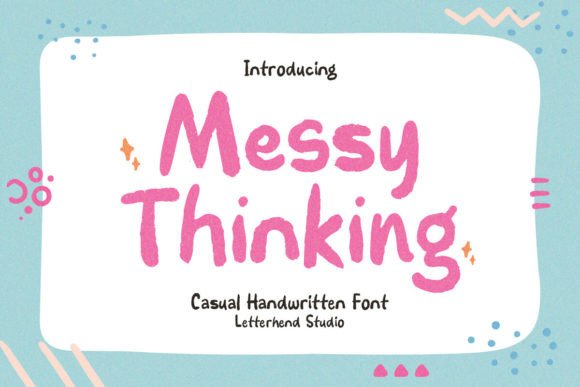
The appeal of fonts like Messy Thinking lies in their ability to evoke a sense of humanity. In a world saturated with automated content and sterile interfaces, the irregular lines and varying stroke widths of a handwritten style font trigger a psychological response associated with personal connection. When we see handwriting, we instinctively think of a person, a thought process, and a moment in time. Messy Thinking capitalizes on this by offering a design that looks less like a computer-generated asset and more like a genuine sketch or note.
This "messy" quality is not accidental; it is a carefully curated design decision. The font features uneven baselines, inconsistent letter spacing, and organic curves that vary slightly from character to character. These elements prevent the text from looking repetitive or mechanical. Instead, they create a rhythm that feels spontaneous. For professionals working in creative industries, understanding the nuance of these imperfections is crucial. It allows them to select a typeface that aligns with the emotional tone of their message, whether that be playfulness, intimacy, or artistic flair.
Visual Characteristics That Define the Style
To truly appreciate how Messy Thinking functions in a layout, one must examine its specific visual traits. The font is characterized by a lack of geometric perfection. The loops of letters like 'g' or 'y' may extend unpredictably, and the crossbars of 't' might sit at different angles. This variability is what gives the font its signature look. It avoids the trap of looking like a "cartoonish" script, which can sometimes feel childish or dated. Instead, it aims for a sophisticated casualness that works well across various contexts.
Furthermore, the stroke weight in this typeface varies dynamically, simulating the pressure changes of a hand holding a marker or fountain pen. This variation adds depth and texture to the text, making headlines pop without needing additional graphical embellishments. When used in large sizes, such as on packaging or magazine covers, these details become prominent features rather than distractions. They invite the viewer to pause and engage with the content on a more personal level.
Strategic Applications in Branding and Marketing
The versatility of Messy Thinking extends far beyond simple notes or personal correspondence. It has found a robust home in professional branding strategies where authenticity is a key selling point. Businesses are increasingly moving away from corporate stiffness, opting instead for brand voices that feel approachable and relatable. A logo designed with this font immediately signals that the brand values creativity and human connection over rigid hierarchy.
Logos and Identity Systems
For startups and creative agencies, a logo is the first impression. Using a font like Messy Thinking can set the right tone instantly. Imagine a boutique coffee shop or an independent bookstore; a clean, geometric logo might feel too cold, whereas a handwritten logo suggests a cozy, welcoming atmosphere. The font's natural shape ensures that even when scaled down for business cards or social media avatars, it retains its character. However, designers must be cautious. Because the font is inherently complex, it requires careful kerning and spacing to ensure readability, especially in smaller applications.
Packaging and Product Labels
In the consumer goods sector, packaging is a silent salesperson. Products ranging from artisanal jams to handmade cosmetics benefit immensely from the use of handwritten typography. Messy Thinking on a product label implies craftsmanship and care. It tells the consumer that the item inside was made by real people, not mass-produced on an assembly line. This perception of value can justify premium pricing and foster brand loyalty. For instance, a skincare brand using this font on its bottles communicates a promise of natural ingredients and gentle formulations, aligning the visual identity with the product's ethos.
Creative Industries and Editorial Design
Beyond commercial branding, the influence of this handwriting style is profound in editorial and publishing sectors. Magazines, novels, and greeting cards often rely on typography to establish mood and genre. A novel cover featuring Messy Thinking might suggest a memoir, a diary, or a story centered on personal growth. The font acts as a narrative device before the reader even opens the book.
In the fashion industry, typography is often used as a graphic element itself. T-shirts, tote bags, and posters frequently feature bold, handwritten slogans. The organic nature of the font allows it to blend seamlessly with other design elements like watercolor textures or distressed graphics. It creates a cohesive look that feels curated rather than manufactured. Similarly, in stationery design, planners and journals utilize this style to encourage users to write freely, reinforcing the idea that the tool is meant for personal expression.
Wedding Invitations and Event Stationery
One of the most traditional yet enduring uses of handwritten fonts is in event planning, particularly for weddings. Couples often desire invitations that reflect their unique personalities. A formal calligraphy font can sometimes feel too stiff or expensive, while a standard print font lacks romance. Messy Thinking offers a middle ground—it is elegant enough for a formal event but casual enough to feel intimate and sincere. It works beautifully for save-the-dates, menu cards, and table numbers, creating a consistent theme throughout the event materials.
Implementation Considerations for Designers
While the aesthetic benefits of Messy Thinking are clear, implementing it effectively requires a strategic approach. The very qualities that make it attractive—its irregularity—can also pose challenges if not managed correctly. Readability is the primary concern. While the font excels in headlines, logos, and short phrases, it is generally not suitable for long blocks of body text. The varying shapes and connections between letters can strain the eyes when reading paragraphs.
Designers should pair this font with a highly legible sans-serif or serif typeface for body copy. This contrast creates a balanced hierarchy where the handwritten font draws attention to key messages, while the secondary font handles the informational load. Additionally, color plays a significant role. Since the font mimics ink on paper, using colors that simulate real writing instruments—such as charcoal, navy, or deep red—can enhance the realism. Conversely, using neon or overly bright colors might break the illusion of natural handwriting.
Digital vs. Print Environments
The application of Messy Thinking differs slightly between digital and print mediums. On screens, the anti-aliasing and rendering engines of web browsers can sometimes smooth out the rough edges that give the font its character. To counteract this, designers may need to adjust the weight or size of the text to ensure the texture remains visible. In print, however, the font shines. The tactile nature of paper complements the organic strokes of the typeface, allowing for high-fidelity reproduction of every curve and flourish. High-resolution printing methods like offset or letterpress can further accentuate the ink bleed effects, adding another layer of authenticity.
The Psychology of Connection in Typography
Ultimately, the rise of fonts like Messy Thinking reflects a broader cultural shift towards valuing authenticity. Consumers and audiences are becoming more skeptical of polished, corporate messaging. They crave transparency and genuine interaction. A font that looks like it was written by a human being serves as a visual cue for these values. It breaks down the barrier between the creator and the audience, fostering a sense of trust and familiarity.
Whether used in a marketing campaign, a personal blog, or a luxury brand identity, this type of typography reminds us that behind every digital interface, there are real people with thoughts and feelings. It transforms static text into a dynamic expression of personality. As design trends continue to evolve, the demand for fonts that balance professionalism with human touch will likely grow. Messy Thinking stands as a prime example of how embracing imperfection can lead to more engaging and effective communication.
Finding the Right Balance
For educators, researchers, and hobbyists alike, exploring the nuances of such fonts offers valuable insights into the intersection of art and technology. It encourages experimentation and challenges the notion that digital tools must always produce perfect results. By incorporating Messy Thinking into their workflows, creators can add a layer of emotional resonance to their work that standard fonts simply cannot achieve. The key lies in understanding when and how to apply it, ensuring that the messiness serves the message rather than obscuring it.
In conclusion, the utility of this handwriting style extends across a vast array of disciplines. From the initial spark of an idea to the final printed product, the choice of typeface plays a pivotal role in shaping perception. Messy Thinking provides a versatile tool for those who wish to communicate with warmth, creativity, and a distinct human voice. Its ability to adapt to formal forms like magazines and books, as well as casual items like greeting cards and labels, cements its place as a valuable asset in any designer's toolkit.