Evaluating Showdex: A Practical Guide to Modern Brush Typography
In the landscape of digital design, typography often serves as the primary vehicle for communication, setting the tone before a single image is processed by the viewer. For designers seeking a typeface that balances organic texture with modern legibility, Showdex has emerged as a significant option within the brush font category. Unlike rigid geometric sans-serifs or traditional serif styles, Showdex offers a hand-painted aesthetic that mimics the fluidity of actual brush strokes while maintaining the structural integrity required for professional applications. This evaluation explores what distinguishes Showdex from other display fonts, analyzes its practical utility across various media, and provides a framework for determining when this specific style aligns with your project goals.
Defining the Character of Showdex
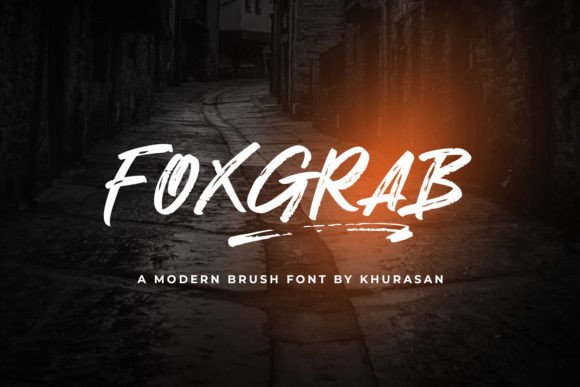
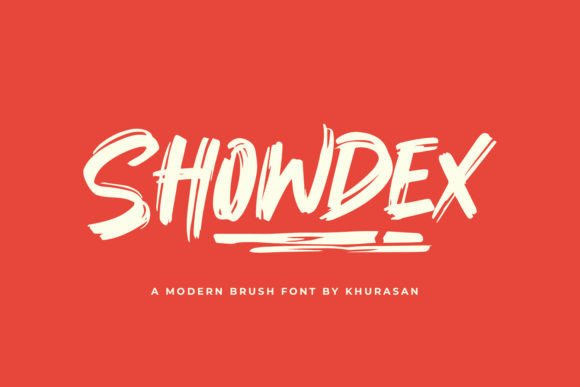
At its core, Showdex is a modern brush font designed to replicate the energy and imperfection of hand-lettering without sacrificing readability in large formats. The distinctiveness of this typeface lies in its "quirky" nature; it avoids the sterile uniformity often found in digitally generated scripts. Each character exhibits variable stroke widths, natural tapering, and subtle irregularities that suggest human craftsmanship. These characteristics make it particularly effective for headlines where personality and impact are prioritized over dense information density.
When evaluating a font like Showdex, it is essential to understand its classification within the broader typographic ecosystem. It sits firmly in the display category, meaning it is optimized for use at larger point sizes rather than for body text. The design philosophy behind Showdex focuses on visual rhythm and flow, creating a sense of movement that static fonts often lack. This makes it a compelling choice for projects requiring an immediate emotional connection, such as event posters, album covers, or editorial headers. However, its expressive nature also dictates specific limitations regarding scale and context, which must be weighed against more neutral alternatives.
Comparative Analysis: Brush Fonts vs. Geometric Alternatives
To make an informed decision about incorporating Showdex into a design system, one must compare it against standard alternatives. The primary tradeoff involves choosing between the organic warmth of a brush style and the clean efficiency of geometric or grotesque sans-serifs. Geometric fonts, characterized by their mathematical precision and uniform spacing, excel in conveying authority, stability, and clarity. They are the default choice for corporate branding, technical documentation, and user interfaces where legibility at small sizes is paramount.
In contrast, Showdex introduces a layer of approachability and creativity. When placed side-by-side with a standard sans-serif, Showdex immediately signals informality and artistic intent. While a geometric font might say "trust us," Showdex says "look at this." This distinction is crucial for brands targeting younger demographics or those operating in creative industries such as fashion, entertainment, and lifestyle publishing. However, the comparison reveals a clear limitation: Showdex lacks the versatility for extended reading. Using a brush font for paragraph text can lead to eye strain and reduced comprehension due to inconsistent letter shapes and varying weights. Therefore, the decision to use Showdex should almost always be paired with a complementary, highly legible font for body copy.
Texture and Legibility Tradeoffs
A critical factor in comparing Showdex to smoother script fonts is the balance between texture and legibility. Many brush fonts suffer from excessive noise, where the simulated bristle marks obscure the shape of the letters, making them difficult to decipher at a distance. Showdex addresses this by refining the brush strokes to ensure character recognition remains high even when scaled down moderately. This refinement sets it apart from lower-quality free alternatives that often prioritize stylistic flair over functional clarity.
Nevertheless, there are scenarios where a cleaner script or a solid slab serif might outperform Showdex. If a project requires extreme scalability—for instance, a logo that needs to appear clearly on both a billboard and a mobile app icon—a simpler form may be safer. The intricate details of Showdex's brushwork can sometimes get lost or become muddy when rendered at very small sizes or low resolutions. Designers must evaluate the specific output requirements of their project. If the primary medium is digital screens with high pixel density, Showdex performs admirably. If the output involves small-scale print or embossing, the fine details may not translate effectively, suggesting a need for a bolder, less textured alternative.
Ideal Use Cases and Strategic Application
Understanding where Showdex fits best requires looking at specific application scenarios. Its strength lies in environments where visual hierarchy is driven by emotion and style rather than pure information delivery. Posters and banners benefit significantly from the font's ability to command attention. The dynamic strokes create a focal point that draws the eye, making it an excellent tool for event marketing, festival promotions, and retail signage where stopping power is essential.
Magazines and book covers represent another strong fit for Showdex. In editorial design, the cover title often needs to convey the genre and mood of the content instantly. A quirky display font can signal a narrative that is contemporary, perhaps slightly irreverent, or deeply personal. For example, a memoir or a travelogue might utilize Showdex to suggest a journey filled with unique experiences, whereas a financial report would find the style entirely inappropriate. The font acts as a visual shorthand, communicating the "voice" of the publication before the reader engages with the text.
Logos present a more nuanced case. While Showdex can create memorable brand marks for startups, cafes, or creative agencies, it requires careful consideration of longevity. Trend-driven fonts can date quickly. A logo designed with Showdex today might feel fresh and modern, but in five years, the specific style of brush stroke could appear dated. Brands aiming for timeless identity often opt for custom lettering or more classic typefaces. However, for rebranding efforts intended to shed a corporate image in favor of something more human and accessible, Showdex offers a rapid and effective solution.
Decision Factors: When to Choose or Avoid
The decision to integrate Showdex into a project should be guided by a set of practical criteria rather than mere aesthetic preference. Designers should ask whether the project requires a sense of movement and human touch. If the answer is yes, and the text volume is low (headlines, short slogans), Showdex is a strong candidate. Conversely, if the project demands strict adherence to grid systems, high-density information, or a tone of serious authority, this font is likely a poor fit.
Another vital consideration is the pairing strategy. Showdex does not exist in a vacuum; it must be balanced with other elements. Because it is visually heavy and textured, it pairs best with minimalistic layouts and plenty of white space. Attempting to combine Showdex with other decorative elements or busy backgrounds can result in visual clutter that detracts from the message. In such cases, a simpler font might serve the composition better. Furthermore, accessibility should never be overlooked. While Showdex is legible in large sizes, it may pose challenges for users with visual impairments compared to standard sans-serif options. Ensuring sufficient contrast and size is mandatory when using this font in public-facing digital products.
Cost and Licensing Considerations
Beyond aesthetics, the practical evaluation of Showdex includes understanding its availability and licensing terms. As a specialized display font, it may come with different usage restrictions compared to ubiquitous web-safe fonts. Designers must verify whether the license covers commercial use, specifically for merchandise, logos, or unlimited digital impressions. Some brush fonts are available under restrictive licenses that limit the number of end-users or require additional fees for broadcast use. Comparing these costs against the value the font brings to the brand is a necessary step. If a similar effect can be achieved with a more flexible, open-source alternative, the cost-benefit analysis might shift. However, if the specific nuances of Showdex are critical to the brand identity, the investment is often justified.
Conclusion on Typography Selection
Selecting the right typeface is a strategic decision that impacts how a message is received and remembered. Showdex offers a distinctive blend of modern brush aesthetics and functional design, making it a powerful tool for specific creative contexts. Its ability to inject personality into posters, logos, and editorial designs is undeniable, provided it is used within its strengths. By understanding its limitations regarding legibility at small scales and its suitability for informal versus formal tones, designers can leverage Showdex effectively without compromising the overall quality of their work.
Ultimately, the choice between Showdex and other alternatives depends on the specific goals of the project. If the objective is to stand out, evoke emotion, and create a lively visual experience, Showdex is a compelling option. If the priority is neutrality, maximum legibility, or long-term timelessness, exploring other categories may be more prudent. A thoughtful evaluation of these factors ensures that the typography chosen supports the broader design strategy, resulting in cohesive and impactful visual communication.