Reviving the Gothic Aesthetic: How Misomar Redefines Modern Brand Identity
In an era dominated by clean sans-serifs and minimalist geometric forms, a quiet but powerful counter-movement is reshaping the visual landscape of digital and print media. Designers and brand strategists are increasingly looking backward to move forward, seeking typography that carries weight, history, and narrative depth. At the forefront of this resurgence is Misomar, a bold, elegant blackletter font that bridges the gap between medieval craftsmanship and contemporary design needs. As professionals across various sectors—from luxury fashion to fantasy gaming—re-evaluate their visual identities, Misomar has emerged not merely as a typeface, but as a strategic tool for differentiation.
The Architecture of Misomar: More Than Just Blackletter
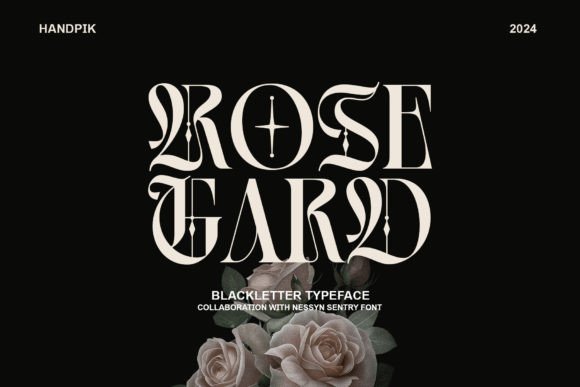
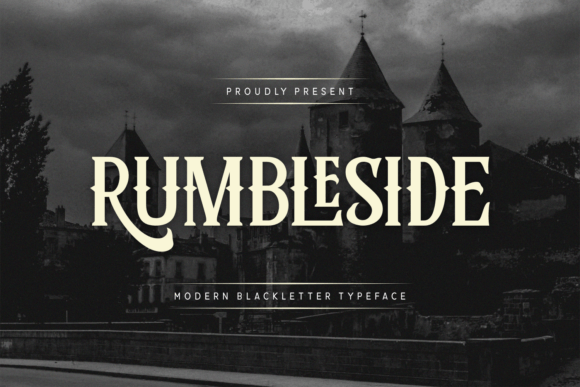
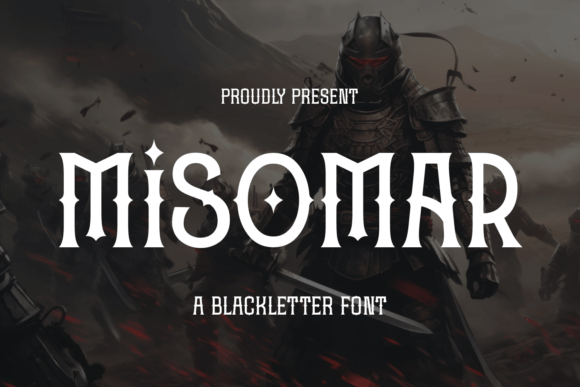
To understand why Misomar is capturing the attention of creative directors and entrepreneurs, one must first appreciate its structural integrity. Unlike many modern interpretations of gothic script that often sacrifice legibility for ornamentation, Misomar is engineered with a balance of drama and function. It is defined by its intricate, flowing letterforms that evoke the meticulous handiwork of medieval scribes. The font's sharp, pointed serifs and dramatic strokes create a rhythm that guides the eye while commanding immediate respect.
This specific aesthetic is rooted in the tradition of blackletter typography, a style historically associated with authority, permanence, and high culture. However, Misomar updates this legacy for the 21st century. Its refined, traditional touch is not a relic; it is a polished instrument. The contrast between thick downstrokes and thin upstrokes creates a dynamic tension that adds texture to any layout. For designers working in environments where visual noise is constant, the distinct silhouette of Misomar offers a way to cut through the clutter without relying on excessive color or complex imagery.
Fitting Into the Broader Creative Ecosystem
The rise of Misomar coincides with a broader industry shift towards "maximalism" and "neo-gothic" aesthetics. After years of flat design and ultra-minimalism, consumers and brands are craving richness and storytelling. This trend is evident in the fashion industry, where heritage brands are rebranding with vintage-inspired logos, and in the entertainment sector, where streaming services are investing heavily in high-fantasy productions. In this context, Misomar serves as a visual shorthand for quality and exclusivity.
For marketers and business owners, the choice of typography is never just about aesthetics; it is about psychological signaling. When a brand utilizes Misomar, it signals a commitment to tradition, authenticity, and a level of sophistication that generic fonts cannot convey. Whether it is a boutique winery, a high-end jewelry line, or a specialized law firm, the use of this blackletter style suggests that the entity values history and craftsmanship. It transforms a simple logo or headline into a statement of intent.
Why Professionals Are Turning to Historical Typography
The renewed interest in fonts like Misomar is driven by changing consumer expectations. Today's audience is visually literate and often skeptical of mass-produced, cookie-cutter branding. They seek experiences that feel curated and unique. The sharp, pointed serifs of Misomar provide a sense of uniqueness that helps brands stand out in saturated markets. In a digital feed filled with rounded corners and soft gradients, the angular, dramatic strokes of a blackletter font demand attention and create a memorable impression.
Furthermore, there is a growing appreciation for the tactile nature of digital design. Even on screens, users respond to textures and details that mimic physical materials. Misomar achieves this by simulating the ink flow of a quill pen. This connection to physical craftsmanship resonates with a demographic that values artisanal goods and bespoke services. It aligns perfectly with the "slow living" and "artisanal" movements that have permeated lifestyle and consumer trends over the last decade.
Practical Applications Across Industries
The versatility of Misomar extends beyond niche historical projects. Here is how different sectors are leveraging its potential:
- Luxury Retail and Fashion: High-end brands are using Misomar for packaging, labels, and editorial campaigns to evoke a sense of old-world luxury. The font's elegance complements premium materials like leather, gold foil, and velvet, reinforcing the perceived value of the product.
- Gaming and Entertainment: As the fantasy genre continues to dominate global entertainment, game developers and streamers are adopting Misomar for titles, character names, and promotional art. Its dramatic strokes fit seamlessly into worlds of magic and mythology, enhancing immersion.
- Event Marketing: Wedding planners and event organizers are utilizing the font for invitations and signage. The romantic yet formal nature of the letterforms sets a tone of grandeur and timelessness for special occasions.
- Freelance Branding: Independent creators and freelancers are incorporating Misomar into their personal portfolios to establish a distinctive voice. In a crowded freelance market, a unique typographic identity can be the deciding factor for a potential client.
Navigating Workflow Changes and Technical Integration
Integrating a complex font like Misomar into modern workflows requires a thoughtful approach. While the font is designed to be elegant, its intricate details mean that readability can be compromised if used incorrectly. Professionals must understand the nuances of scaling and spacing. Unlike standard sans-serifs that remain legible at small sizes, Misomar shines when given room to breathe. It is best utilized for headlines, logos, and short phrases rather than long blocks of body text.
From a technical standpoint, the digitization of such detailed letterforms presents challenges and opportunities. Web designers must ensure that the font renders correctly across various devices and screen resolutions. Variable font technology and advanced web font loading strategies are essential to maintain the sharpness of the pointed serifs without compromising page load speeds. This technical requirement pushes teams to adopt more sophisticated design systems, ensuring that the visual impact of Misomar is preserved from concept to execution.
Moreover, the integration of Misomar often necessitates a holistic review of the brand's color palette and imagery. The dark, heavy nature of the blackletter style pairs best with high-contrast backgrounds or rich, deep colors. This forces a strategic alignment across all visual assets, leading to a more cohesive and impactful brand presence. It encourages designers to think critically about hierarchy and composition, elevating the overall quality of the final output.
The Future of Niche Typography in Digital Spaces
As we look toward the future, the role of fonts like Misomar is likely to expand rather than contract. The digital landscape is becoming increasingly homogenized, with AI-generated content and template-based designs flooding the market. In response, there will be a premium placed on human-centric, historically grounded design elements that offer genuine character. Misomar represents this shift—a rejection of the algorithmically perfect in favor of the artistically imperfect and deeply textured.
We are also seeing a convergence of physical and digital experiences, where typography plays a pivotal role in bridging the two. Augmented reality (AR) applications and immersive web experiences will benefit greatly from the dramatic flair of blackletter fonts. Imagine an AR filter that overlays Misomar text onto real-world objects, creating a magical realism effect that enhances user engagement. The possibilities for interactive storytelling are vast, and fonts with strong personalities are key to unlocking them.
Conclusion: Embracing the Dramatic Stroke
Misomar is more than a collection of letters; it is a statement of confidence and a nod to the enduring power of historical design. For professionals, creators, and entrepreneurs, it offers a pathway to distinguish their work in a crowded marketplace. By embracing the bold, elegant lines and the sense of medieval craftsmanship inherent in this font, brands can connect with audiences on a deeper, more emotional level.
The journey toward meaningful design often involves looking back to find inspiration for the future. Misomar stands as a testament to this principle, proving that even in our hyper-modern world, the dramatic strokes of the past have a vital place. As workflows evolve and consumer preferences shift towards authenticity and richness, the relevance of such a refined, traditional touch will only grow. For those willing to explore its potential, Misomar offers not just a font, but a vision of what great design can achieve.