Rumbleside: A Strategic Guide to Leveraging Bold Blackletter Typography
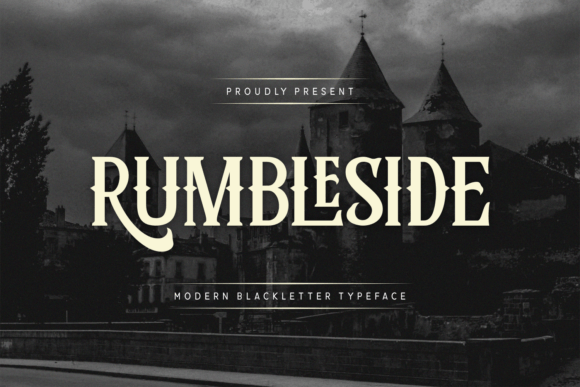
In the crowded landscape of digital and print media, the choice of typeface is rarely just an aesthetic preference; it is a strategic decision that dictates how a message is received before a single word is read. Rumbleside represents a distinct category within this visual hierarchy. As a bold blackletter font that combines classic style with modern flair, it offers more than just a decorative look. Its sharp edges and elegant curves are engineered to create eye-catching designs, logos, or headlines that demand attention. However, deploying such a commanding typeface requires a deliberate approach. For entrepreneurs, marketers, and creators, understanding the functional weight of Rumbleside is essential for achieving long-term branding goals rather than merely chasing a fleeting trend.
The Strategic Value of Classic Authority in Modern Design
The primary utility of Rumbleside lies in its ability to bridge the gap between historical gravitas and contemporary relevance. Blackletter typography has roots stretching back centuries, often associated with tradition, authority, and sophistication. When applied correctly, these associations transfer directly to your brand identity. In a market saturated with clean sans-serifs and minimalist aesthetics, the introduction of Rumbleside acts as a powerful differentiator. It signals confidence and a willingness to stand apart from the herd.
For small business owners and decision-makers, this distinction is critical. If your goal is to position a product or service as premium, established, or deeply rooted in quality, Rumbleside provides the visual vocabulary to support that narrative. The font's inherent complexity suggests craftsmanship. Whether you are designing a logo for a craft brewery, a law firm, or a high-end fashion label, the sharp edges and elegant curves of Rumbleside communicate a level of detail that simpler fonts cannot match. This is not about decoration; it is about aligning your visual assets with your strategic positioning.
Consider the psychological impact on the audience. When a consumer encounters a headline rendered in Rumbleside, they subconsciously register a sense of importance. This makes it an ideal tool for key messaging where you need to arrest attention immediately. In marketing campaigns, the first three seconds determine engagement. A bold blackletter font can secure that window of opportunity, ensuring your core message is not lost in the noise of generic design.
Defining the Scope: Where Rumbleside Delivers Results
While the versatility of Rumbleside is significant, its effectiveness is highly context-dependent. To maximize outcomes, one must identify specific use cases where the font's characteristics align with the communication objective. The most effective applications include:
- Brand Logos and Wordmarks: For businesses seeking a strong visual identity, Rumbleside serves as an excellent foundation for logos. Its structural integrity allows it to remain legible even at smaller scales, provided the design is balanced. The contrast between thick and thin strokes adds a dynamic element that static block letters lack.
- Headlines and Hero Sections: In editorial design, web headers, or event posters, Rumbleside commands space. It is perfect for titles that need to convey urgency or significance. However, it should be reserved for short bursts of text to maintain readability.
- Packaging and Labeling: In industries like food and beverage, cosmetics, or luxury goods, packaging is a primary sales tool. Using Rumbleside on labels can elevate perceived value, suggesting heritage and artisanal quality.
- Event Branding: For concerts, festivals, or conferences with a theme of rebellion, history, or high energy, this font sets the tone immediately. It creates an atmosphere that resonates with the target demographic.
Conversely, there are areas where Rumbleside may hinder rather than help. Long-form body copy is a poor candidate. The intricate details of blackletter styles can cause eye strain when used in paragraphs, reducing reading speed and comprehension. Strategic planning dictates that Rumbleside should be treated as a highlighter, not the entire page. Its role is to frame and accentuate, not to carry the bulk of information.
Planning Your Implementation: A Decision Framework
Before integrating Rumbleside into your design system, a structured evaluation is necessary. Impulsive adoption often leads to disjointed branding and diluted messaging. A thoughtful implementation process involves several key steps.
First, assess your brand's core values. Does your organization embody the traits of strength, tradition, and boldness? If your brand voice is soft, playful, or purely utilitarian, Rumbleside might send mixed signals. Consistency between verbal and visual identity is paramount for building trust. If the font feels forced, the audience will perceive it as inauthentic.
Second, consider the medium and technical constraints. While Rumbleside looks stunning in print, digital rendering requires careful attention. On mobile devices with varying screen resolutions, the fine details of the font can sometimes blur. Testing the font across different platforms—web, social media, and print—is a non-negotiable step in the planning phase. Ensure that the "modern flair" mentioned in its design does not get lost in low-resolution environments.
Third, evaluate pairing options. Rumbleside is dominant by nature. It rarely competes well with other display fonts. The most successful pairings involve neutral, highly legible sans-serif or serif fonts for body text. This creates a visual hierarchy where Rumbleside grabs the attention, and the supporting font delivers the details. This combination ensures that the design remains accessible while retaining its striking character.
Practical Application Scenarios
To illustrate the practical application, consider a freelance graphic designer launching a personal brand. By using Rumbleside for their portfolio header and project titles, they instantly establish a reputation for bold, creative thinking. The font becomes part of their signature style, making their work memorable. Similarly, a marketer running a limited-time campaign for a heritage product line could use Rumbleside for the main call-to-action button. The visual weight implies exclusivity and importance, potentially increasing click-through rates compared to a standard button style.
For educators and publishers, the font can be used strategically in course materials or book covers to denote specialized, advanced, or classical content. It signals to the learner that the material is substantial and worthy of deep focus. In each case, the decision to use Rumbleside is driven by a clear objective: to enhance the perceived value and impact of the content.
Navigating Risks and Common Pitfalls
Despite its strengths, relying on Rumbleside without a clear strategy carries risks. The most common pitfall is overuse. Because the font is so visually aggressive, using it excessively can lead to visual fatigue. A design cluttered with blackletter elements appears chaotic and unprofessional, undermining the very sophistication the font aims to convey. Restraint is a key component of effective design strategy.
Another risk is misalignment with audience expectations. While Rumbleside appeals to many, certain demographics or industries may find it too heavy or archaic. For example, a tech startup focused on futuristic AI solutions might find that the traditional connotations of blackletter clash with their forward-looking mission. Understanding your customer base is essential. If the font creates a barrier to entry or confusion, it fails its primary purpose of communication.
Furthermore, accessibility must be a consideration. Individuals with visual impairments or dyslexia may struggle with the complex shapes of blackletter fonts. While Rumbleside is intended for headlines and logos, ensuring that all critical information is available in accessible formats is a responsible practice. Strategic design balances aesthetic impact with inclusivity.
Long-Term Brand Impact and Intentionality
The true measure of Rumbleside's success is not in the immediate "wow" factor but in its contribution to long-term brand equity. When used intentionally, the font becomes a recognizable asset that reinforces brand recall. Over time, the consistent application of Rumbleside in key touchpoints builds a cohesive visual language. This consistency fosters familiarity, which is a precursor to trust.
However, trends in typography shift. What is considered "modern flair" today may feel dated in five years. To mitigate this, the usage of Rumbleside should be anchored in timeless principles of good design rather than passing fads. Focus on the fundamental attributes: clarity, balance, and appropriate scale. By grounding the font in solid design theory, you ensure that your brand remains relevant even as stylistic preferences evolve.
Ultimately, Rumbleside is a tool, not a solution in itself. Its power is unlocked only when paired with clear goals, thoughtful planning, and a deep understanding of the audience. For professionals aiming to achieve better results through design, the lesson is clear: choose your typography with the same rigor you apply to your business strategy. Let the sharp edges and elegant curves of Rumbleside serve a purpose beyond decoration, driving engagement, reinforcing identity, and delivering a strong visual impact that lasts.