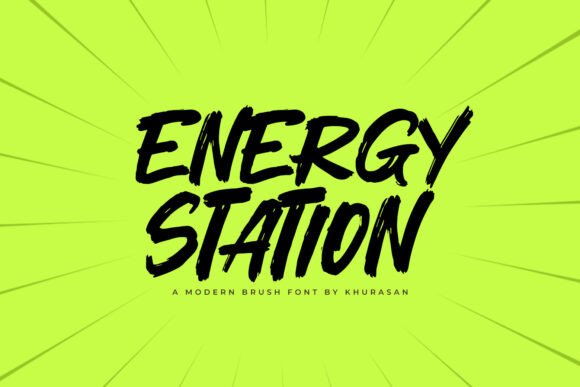
Evaluating Energy Station for Modern Design Projects
In the landscape of digital typography, selecting the right font is a critical decision that influences readability, brand perception, and overall aesthetic impact. Energy Station has emerged as a notable option for designers seeking a specific visual voice characterized by its modern brush strokes. This article provides an objective evaluation of Energy Station, analyzing its characteristics, ideal use cases, and potential limitations to assist designers in determining if it aligns with their project requirements.
Understanding the Typography of Energy Station
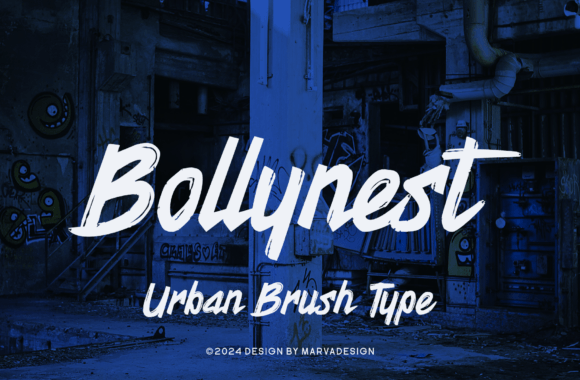
Energy Station is classified as a display font, specifically within the brush script category. Unlike traditional serif or sans-serif typefaces designed for extended body text, display fonts are engineered to capture attention at larger sizes. The defining characteristic of Energy Station is its simulated hand-painted texture. Each character mimics the organic irregularity of a paintbrush stroke, featuring varying line weights, slight ink splatters, and uneven edges.
This design choice moves away from the rigid precision of vector-based geometric fonts, introducing a sense of human touch and dynamism. The "modern" aspect of the font refers to its clean underlying structure despite the textured surface; it avoids the overly ornate or archaic feel of vintage calligraphy, making it suitable for contemporary branding and media. When evaluating this typeface, it is essential to recognize that its primary function is decorative rather than functional for long-form reading.
Key Reasons for Considering Energy Station
Designers often gravitate toward Energy Station when they need to inject personality and movement into a static layout. The following factors frequently drive interest in this specific typeface:
- Visual Impact: The brush style naturally draws the eye, making it effective for headlines where immediate engagement is necessary.
- Creative Flexibility: The quirky nature of the font allows for unique pairings with minimalist sans-serifs, creating a balanced contrast between chaos and order.
- Versatility Across Media: While primarily digital, the texture translates well to print materials like posters and magazine covers, adding a tactile quality to the final output.
- Brand Differentiation: For brands aiming to appear approachable, artistic, or energetic, this font offers a distinct alternative to standard corporate typography.
The ability to match Energy Station to a large set of projects stems from its adaptability. It does not dictate a specific industry but rather a specific mood. Whether the context is a music festival banner, a creative agency logo, or a book cover for a memoir, the font serves as a vehicle for expression rather than just information delivery.
Benefits and Tradeoffs
Adopting any specialized font involves weighing specific advantages against inherent constraints. Understanding these tradeoffs is crucial for a successful implementation.
Advantages
The primary benefit of Energy Station is its capacity to stand out. In crowded visual environments, such as social media feeds or retail displays, the organic lines break through the monotony of standard type. Furthermore, the font's modern interpretation of brush strokes ensures it does not feel dated. It bridges the gap between raw, handmade aesthetics and polished digital design, offering a professional look that retains artistic flair.
Tradeoffs and Considerations
Conversely, the very features that make Energy Station attractive also limit its scope. The irregular edges and variable stroke widths can compromise legibility at small sizes. Consequently, it is ill-suited for body text, footnotes, or detailed instructional content. Additionally, the "hand-painted" effect may not align with industries requiring strict formality, such as law, finance, or medical services, where clarity and tradition are paramount.
Another consideration is file compatibility and rendering. Depending on the software used, the texture details might require higher resolution settings to prevent pixelation, particularly in large-format printing. Designers must ensure that the font renders correctly across different devices and platforms before committing to a final design.
Ideal Scenarios for Implementation
Energy Station performs best in situations where brevity and visual strength are prioritized over volume of text. It is a strong fit for:
- Posters and Banners: Large-scale graphics where the text acts as the central visual element.
- Logos and Branding: Specifically for creative studios, lifestyle brands, or events that want to convey energy and spontaneity.
- Magazine Covers and Book Titles: Where the title needs to pop off the page and establish a tone immediately.
- Social Media Graphics: Short captions or overlay text on images where high contrast is needed.
In these contexts, the font enhances the message by reinforcing the emotional intent of the design. The "lovely designs" mentioned in promotional descriptions often result from pairing this bold typeface with ample white space, allowing the intricate details of the brush strokes to breathe.
When to Consider Alternatives
Despite its versatility, there are clear scenarios where Energy Station is not the optimal choice. If the project requires extensive blocks of text, a clean sans-serif or serif font should be selected instead to ensure readability. Similarly, if the target audience expects a high degree of professionalism and conservatism, the playful nature of a brush font might undermine the brand's authority.
Furthermore, accessibility is a key factor. Users with visual impairments may struggle to decipher the irregular shapes of a brush font, especially at smaller scales or low-contrast ratios. In cases where inclusivity is a primary goal, more standardized typefaces are often safer choices. If the design relies heavily on color gradients or complex backgrounds, the texture of Energy Station might get lost or create visual noise, suggesting that a solid-stroke font would be more effective.
Practical Decision-Making Insights
To determine if Energy Station aligns with your goals, consider the following practical steps during the selection process:
- Test Legibility: Create a mockup of your intended headline size. Step back from the screen or print a sample to see if the text remains readable from a distance.
- Check Pairings: Experiment with pairing Energy Station with a neutral companion font. A good combination usually involves a simple sans-serif for subheadings and body copy to balance the complexity of the display font.
- Review Context: Ask whether the "quirky" vibe supports the message. If the content is serious or technical, the font may create cognitive dissonance.
- Verify Licensing: Ensure that the license terms allow for the specific commercial uses you intend, such as merchandise, web embedding, or broadcast.
Ultimately, the decision to use Energy Station should be driven by the specific narrative of the design. It is a powerful tool for creating standout visuals, provided it is applied within its strengths. By understanding its limitations regarding readability and formality, designers can leverage its unique texture to enhance their work without compromising functionality.
In conclusion, Energy Station offers a distinctive solution for those looking to add a modern, artistic edge to their typography. While it is not a universal font for all applications, its ability to transform posters, logos, and covers makes it a valuable asset for the right project. Careful evaluation of the project's needs against the font's characteristics will ensure the final design achieves both aesthetic appeal and communicative clarity.