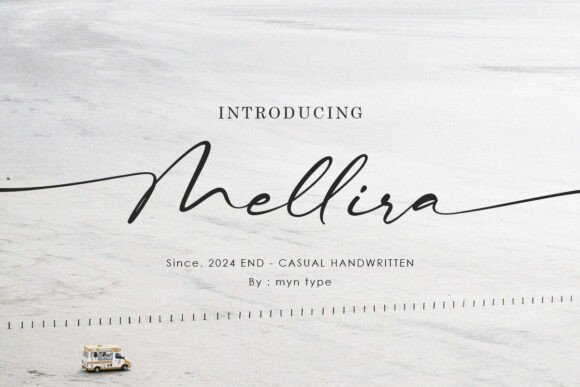
Evaluating the Mellira Font for Design Projects
In the realm of digital typography, script fonts serve a unique purpose by bridging the gap between mechanical precision and human expression. The Mellira font represents a specific category within this space, offering a blend of elegance and authenticity designed to mimic the fluidity of natural handwriting. For designers, marketers, and creatives, selecting the right typeface is often less about finding the most decorative option and more about identifying a tool that aligns with the intended message and audience. This evaluation explores what the Mellira font offers, its practical applications, and the considerations necessary to determine if it fits your specific project requirements.
Understanding the Design Philosophy of Mellira
The core identity of the Mellira font lies in its attempt to capture the charm of organic writing while maintaining the structural integrity required for legible design. Unlike rigid calligraphy or highly stylized display scripts, Mellira is crafted to exude a clean, handwritten touch. This distinction is vital for projects that require a sense of warmth and sophistication without sacrificing readability. The design incorporates elements of flair and creativity, particularly through the use of stunning swashes, which add dynamic movement to the text.
When evaluating a font like Mellira, it is important to understand that it is not merely a static set of characters. It is a system designed to evoke emotion. The strokes vary in weight and flow, suggesting the pressure of a pen on paper. This characteristic makes it distinct from standard sans-serif or serif fonts, which prioritize uniformity. However, this variation also introduces complexity into the design process, requiring the user to understand how these elements interact with other visual components.
Key Features and Functional Capabilities
One of the defining features of the Mellira font is its versatility in creating visual interest through special characters and ligatures. The inclusion of swashes allows for significant customization, enabling designers to make text stand out in headers, logos, or short phrases. These decorative tails can transform a simple word into a focal point, adding a layer of luxury and attention to detail.
Functionally, the implementation of these swashes requires a specific workflow. To activate the tail feature on a specific letter, users must add a hyphen symbol immediately before the character they wish to modify. For example, typing a hyphen followed by the letter "A" will trigger the alternate glyph with the extended swash. This mechanism provides control but demands familiarity with the font's documentation. Detailed instructions regarding these combinations are typically found in the preview images or technical guides associated with the font files, such as those referenced on page 13 of the standard documentation. Understanding this input method is crucial for efficient usage, as relying on trial and error can slow down the design process.
Ideal Use Cases for Mellira
The strength of the Mellira font becomes most apparent in contexts where personal connection and aesthetic refinement are paramount. Several specific scenarios highlight where this typeface serves as a strong fit:
- Wedding Invitations: The romantic and elegant nature of the script makes it a staple for wedding stationery. It conveys a sense of formality and celebration, setting the tone for the event before the recipient even reads the details.
- Branding and Logos: For businesses in the lifestyle, beauty, fashion, or artisanal sectors, Mellira can help establish a brand identity that feels approachable yet premium. It works well for boutique shops, spas, and creative agencies looking to differentiate themselves from corporate competitors.
- Greeting Cards and Personal Notes: The handwritten aesthetic is perfect for conveying sincerity. Whether for holiday cards or thank-you notes, the font mimics the intimacy of a personal signature.
- Quotes and Headlines: In editorial design or social media graphics, using Mellira for pull quotes or main headlines can draw the eye and emphasize the emotional weight of the words.
In these situations, the font acts as a vehicle for storytelling, enhancing the narrative through its visual texture. The combination of elegance and flair ensures that the text does not feel generic, providing a unique voice to the communication.
Considerations and Potential Tradeoffs
While Mellira offers distinct advantages, it is not a universal solution for all design challenges. A balanced evaluation requires acknowledging the limitations inherent to script typography. The primary tradeoff involves readability at smaller sizes or over long passages of text. Because the letters connect and vary in stroke width, body copy written entirely in Mellira can become difficult to read quickly. It is generally best reserved for short bursts of text, titles, or accent phrases rather than paragraphs.
Additionally, the reliance on special characters for swashes introduces a potential barrier for non-technical users. If a designer is unfamiliar with the hyphen-trigger method, they may struggle to achieve the desired look, leading to frustration or inconsistent results. Furthermore, the decorative nature of the font means it can clash with other ornate design elements. Pairing Mellira with another heavy script or a highly complex background pattern can result in visual noise, diminishing the impact of both elements.
When to Consider Alternatives
There are specific situations where alternatives to Mellira may be worth considering. If the project prioritizes high-speed readability above all else, such as in instructional manuals, legal documents, or news articles, a clean sans-serif or traditional serif font would be more appropriate. Similarly, for brands aiming for a strictly modern, minimalist, or industrial aesthetic, the warmth of a handwritten script might undermine the desired image. In these cases, a geometric or monospaced font could better align with the brand's values.
Furthermore, if the target audience includes individuals with visual impairments or dyslexia, the intricate details and varying stroke widths of a script font like Mellira may pose accessibility challenges. In such instances, opting for a font with higher legibility and simpler character forms is a responsible design choice.
Practical Decision-Making Insights
To determine whether Mellira aligns with your goals, consider the following decision-making framework. First, define the primary emotion you wish to convey. If the goal is to communicate warmth, elegance, and a personal touch, Mellira is a strong contender. Second, assess the length of the text. If the content is limited to headlines, names, or short messages, the font's decorative qualities will shine. If the text extends to full paragraphs, consider using Mellira only for emphasis and pairing it with a neutral companion font for the body.
Finally, test the font in context. Download a sample and apply it to your actual project layout. Pay close attention to how the swashes interact with surrounding whitespace and other design elements. Verify that the hyphen-input method for activating tails works smoothly within your preferred software. By critically evaluating these factors, you can ensure that the chosen typeface enhances the overall design rather than complicating it. Ultimately, the success of using Mellira depends on a thoughtful application that respects its strengths while mitigating its limitations.